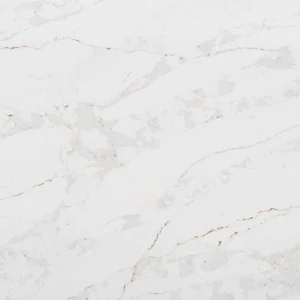



What’s the difference between Granite & Quartz?
When designing your dream kitchen or bathroom, choosing the right worktop is one of the most important decisions you’ll make. Two of the most popular materials are quartz and granite, both known for their beauty, durability, and timeless appeal. But what sets them apart, and which is right for you? Let’s explore the key differences to help you make an informed choice.
1. Composition
- Quartz: Quartz worktops are engineered using 90-95% natural quartz crystals, combined with resin binders and pigments. This blend creates a non porous surface that’s customisable in colour, pattern, and finish.
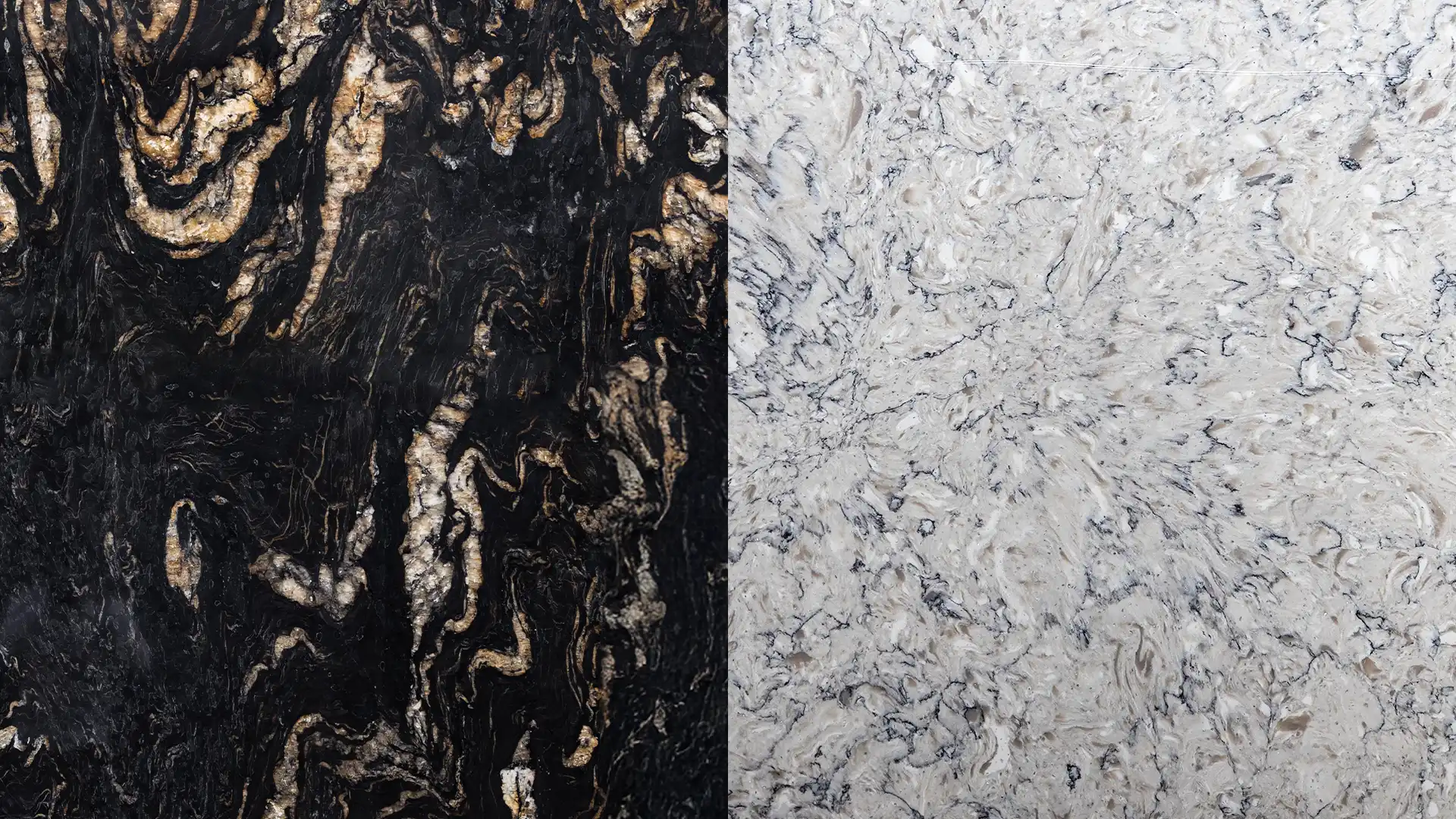
- Granite: Granite is a natural stone formed deep within the earth’s crust. Each slab is unique, showcasing intricate patterns and colour variations created by nature. It is quarried, cut, and polished to produce stunning worktops.
2. Appearance
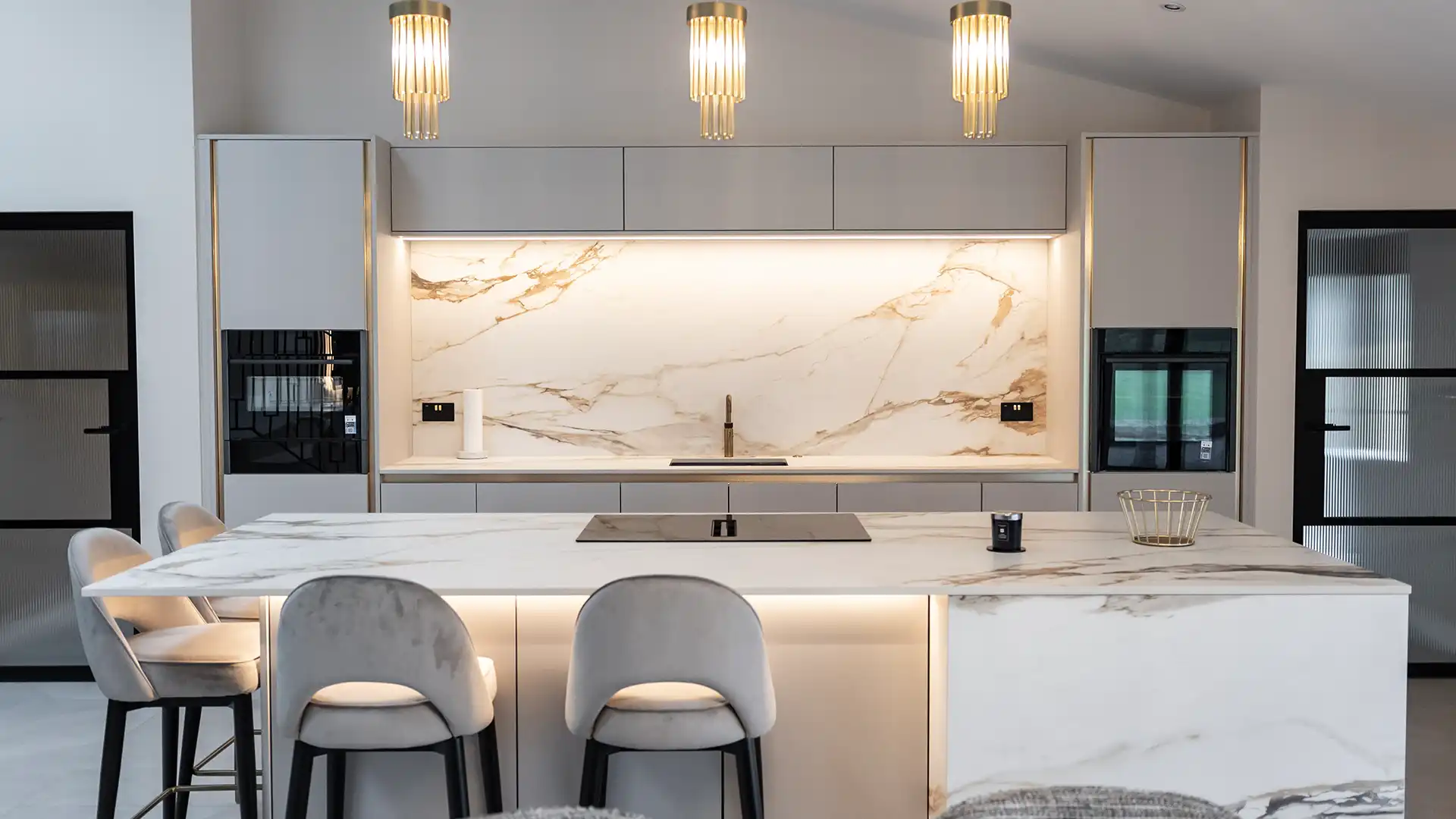
- Quartz: Quartz offers consistent patterns and colours, making it ideal for those seeking a uniform look. From soft whites and greys to bold blacks and even bright hues, quartz can be tailored to fit any design style.
- Granite: Granite’s beauty lies in its natural imperfections. No two slabs are the same, giving your space a one of a kind aesthetic. It’s perfect for those who appreciate the organic, earthy feel of natural stone.
3. Durability
- Quartz: Quartz is incredibly durable and resistant to scratches, stains, and chips. Its non porous surface makes it highly hygienic and resistant to bacteria, making it an excellent choice for busy kitchens or bathrooms.
- Granite: Granite is also highly durable but requires more care due to its porous nature. It can withstand heat better than quartz but needs to be sealed periodically to prevent stains and bacteria build up.
4. Maintenance
- Quartz: Thanks to its non porous structure, quartz is low maintenance. Regular cleaning with soapy water and a soft cloth is all that’s needed to keep it looking pristine. No sealing is required.
- Granite: Granite requires a bit more care. While sealing is necessary to maintain its integrity, the process is straightforward and typically only needs to be done once a year. Daily cleaning with mild soap and water is recommended.
5. Heat Resistance
- Quartz: While quartz is heat resistant, it’s not heatproof. Prolonged exposure to high temperatures can cause damage. Always use pan stands or heat pads to protect the surface.
- Granite: Granite is naturally heat resistant and can handle hot pans and pots without damage. However, it’s still a good idea to use pan stands to avoid thermal shock.
Which Should You Choose?
When it comes to choosing between quartz and granite, the decision largely depends on your lifestyle, design preferences, and maintenance priorities:
Opt for quartz if you want a low maintenance, uniform patterns, and a vast range of surfaces to choose from.
Choose granite if you value having something unique to you, and don’t mind a little extra care.
At Meridian Granite, we offer a stunning selection of both quartz and granite worktops to suit any home or design style. Visit our showroom to explore our full range and discover the perfect material for your space.
For expert advice or to request a quote, contact our team today. Let us help you transform your home with kitchen worktops that combine beauty and functionality!